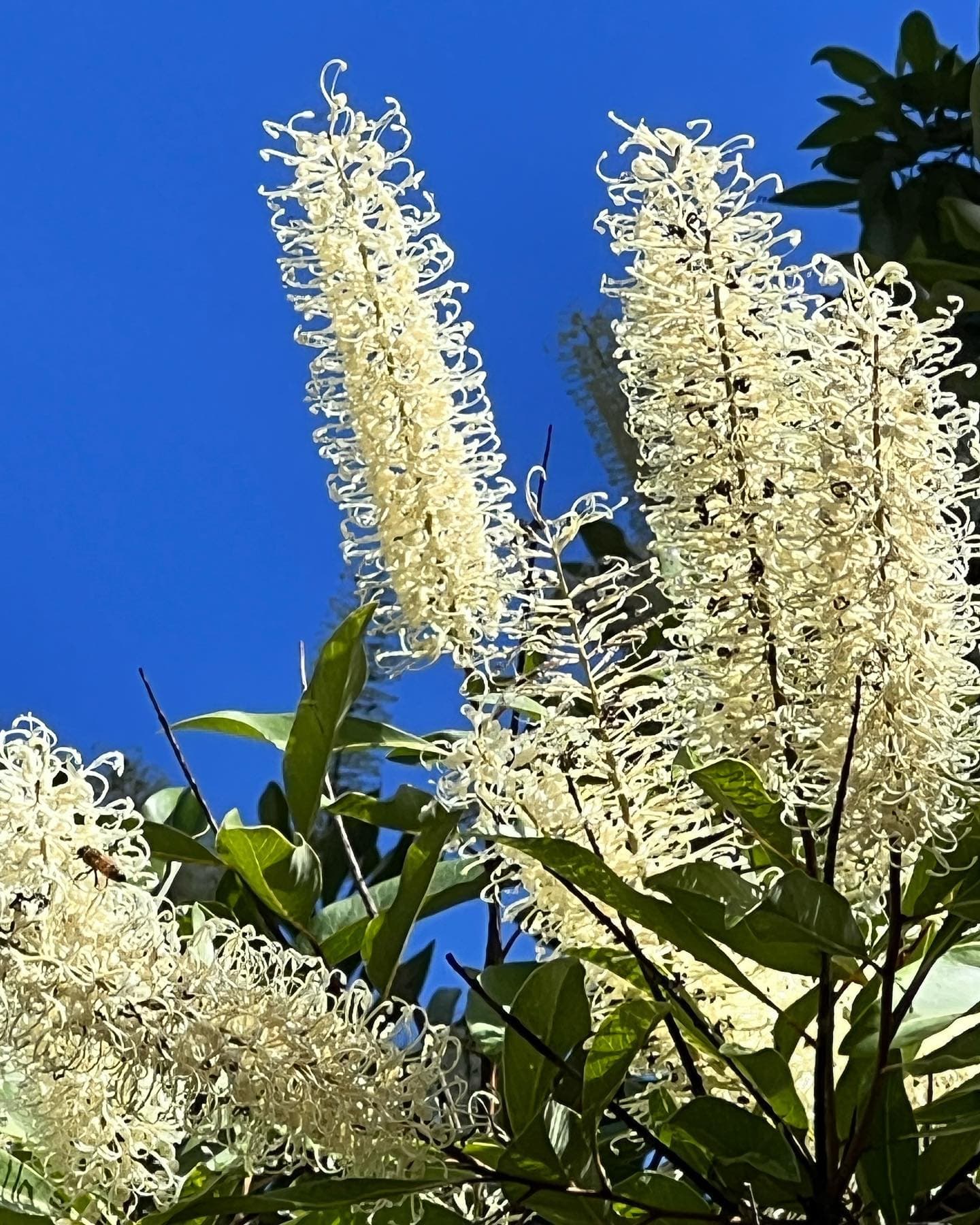
Fairhill Native Botanic Gardens
Attracting & caring for wild birds on the Sunshine Coast
Fairhill is home to more than 70 species of wild birds — and the secret is the plants. Discover the best plants for food and shelter, meet the birds that visit, and learn how to care for them responsibly.
A haven for wild birds
More than 70 species of wild birds call Fairhill home, and the reason is simple — the right plants. Every bird-attracting plant we grow is a natural source of food and shelter: nectar-rich blooms for honeyeaters and lorikeets, seed and fruit for foragers, and the insects that thrive among them for the birds that hunt.
Dense native shrubs and trees offer something a feeder never can — safe cover to shelter, roost and raise young. Plant for the birds and you build a living habitat that looks after itself, all year round.
Some of our regulars
Birds you'll meet at Fairhill
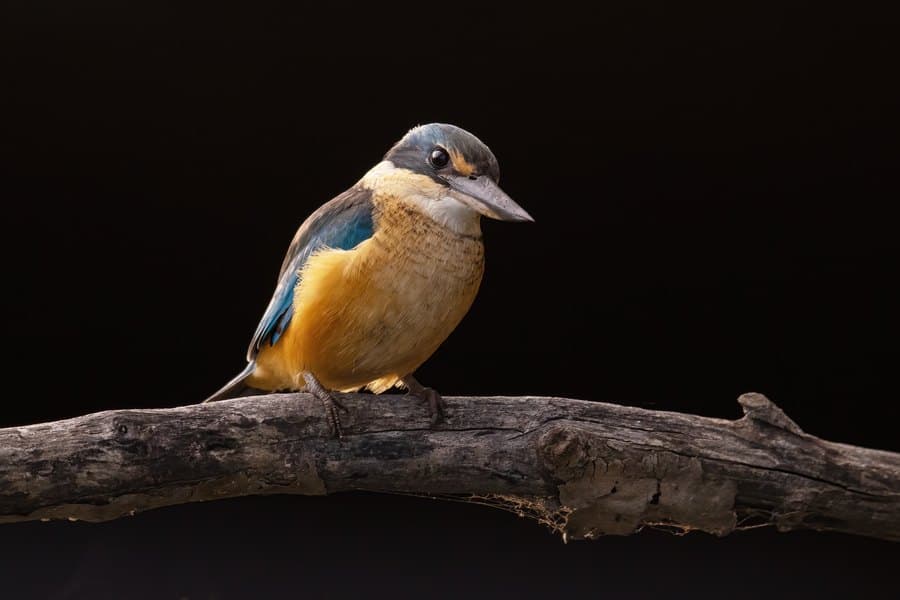
Sacred Kingfisher
Todiramphus sanctus
A flash of turquoise and buff that visits Fairhill, found throughout much of Australasia and Indonesia. Perches patiently before darting for insects and small prey.
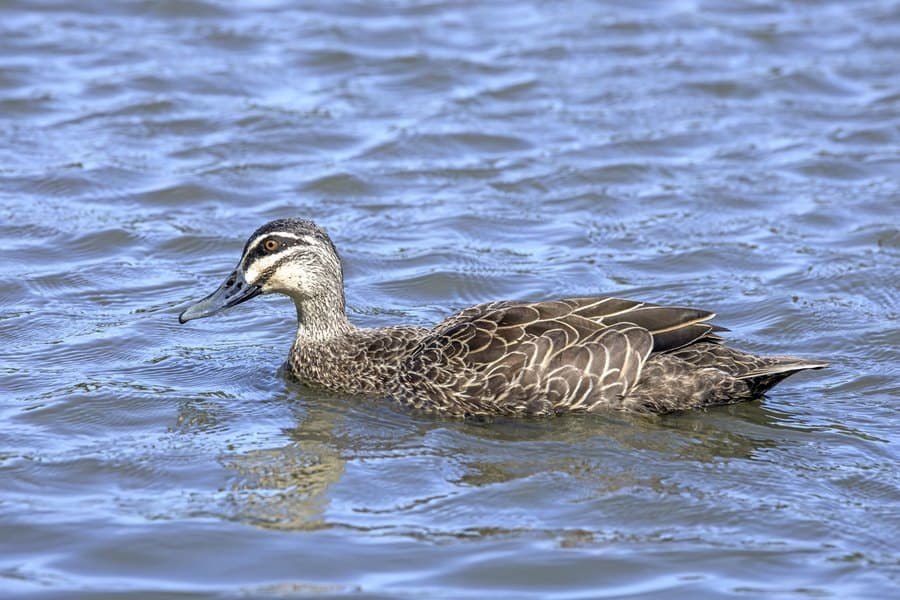
Pacific Black Duck
Anas superciliosa
Pretty ducks who look like they're wearing eye-liner for a night out — that bold dark stripe through the eye gives them their unmistakable look around the gardens' water.
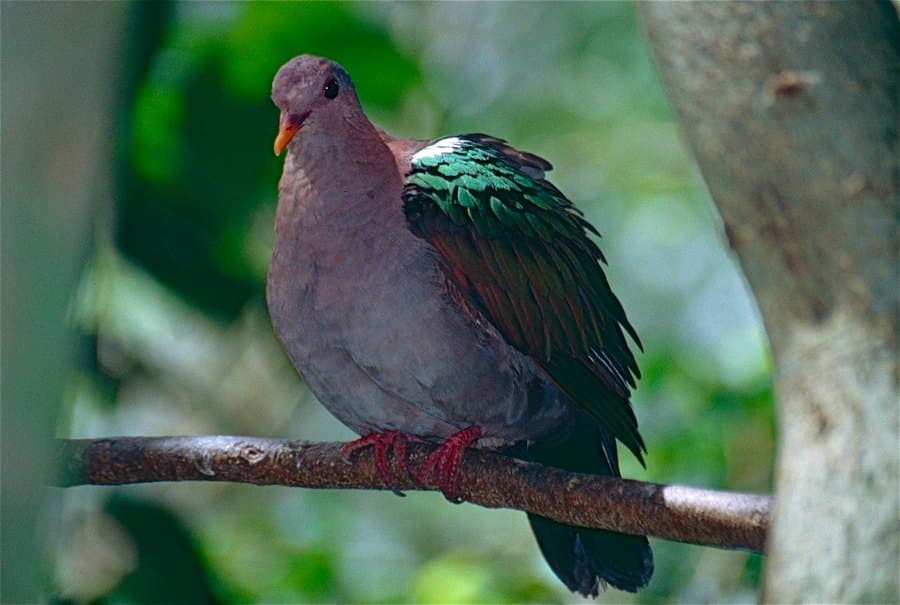
Pacific Emerald Dove
Chalcophaps longirostris
A plump, ground-dwelling pigeon often seen at Fairhill, with shimmering emerald-green wings as it forages quietly along shaded paths and garden edges.
The best food & shelter source
The bird-attracting plants we sell at Fairhill are the best food and shelter source for wild birds — and it's because they work the way nature intended. Native nectar feeds honeyeaters, lorikeets and spinebills; seed and fruit sustain foragers; and the insects that live among healthy native plants feed the birds that hunt them. It is a complete, self-renewing food web, not a single handout.
Just as importantly, plants provide shelter. Dense, prickly and layered natives give birds somewhere safe to roost, hide from predators and build nests — habitat that lasts through every season without any upkeep from you. That is why a well-planted garden draws far more birds, and far more variety, than a feeder ever could.
Do it thoughtfully
Feeding wild birds responsibly
Feeding wild birds is an activity enjoyed by many Australians. While it is great to have a connection with local wildlife, feeding wild birds and animals comes with responsibilities — it has an ecological impact, so it is worth understanding whether to feed, or not to feed, before you start.
In highly urbanised parts of Australia and much of the Western world, local birds and wildlife may genuinely need supplementary feeding to survive. In Australian suburban and rural areas, anyone feeding wild birds or animals should understand they are feeding wildlife for the enjoyment of the experience — rather than to help the birds or animals survive. Native animals here are more than capable of fending for themselves. Enjoy feeding wildlife in your backyard, but please understand the impacts.
Dietary impact
A seed mix is designed to attract birds for your enjoyment — not to feed them. It is colourful and has fatty seeds like sunflowers that draw granivorous birds such as parrots, but it is not meant to be an important source of nutrition. Try to have as little impact as possible:
- Never feed processed foods such as bread, meat or food scraps.
- Feed naturally occurring products such as grain or fruit.
- Don't feed large amounts.
Putting out heaps of sunflower seeds every day is akin to turning up at a primary school each morning with a smorgasbord of sweets, lollies and soft drinks. The kids will love you — but it will be terrible for their health.
Ecological impact
Feed animals regularly and you can upset the natural ecological balance by promoting one species over another. Every situation is different, but these are some of the impacts:
- If food is left out regularly, birds or animals may become dependent — and removing that food source can then harm local ecology.
- Aggressive or territorial species may come to dominate, crowding out shyer birds.
- Other species, fed or unfed, may suffer health and behaviour impacts such as disrupted reproduction.
- Feeding predatory species can increase their numbers locally, which then impacts their prey.
- Attracting birds may create a prey opportunity for domestic cats.
- Migration patterns can be disrupted.
Disease
Birds congregating around feeding sites can transmit diseases such as salmonellosis, campylobacteriosis and psittacosis — affecting local birdlife and human health alike. To minimise the risk, treat the bird feeding area like your kitchen:
- Clean out feeders after use.
- Wash the area regularly.
- Locate the feeding area somewhere it can be cleaned.
- Don't leave food out — if it gets wet or rodents feed there, it is likely to cause health problems.
- Offer feed in a clean area that is safe from traffic and predation.
Other ways to attract birds
A few simple, thoughtful steps that bring more birdlife to your backyard.
Plant native trees
Native trees provide both shelter and food — the natural way to bring birds in.
Put up nesting boxes
Felling old-growth trees leaves a shortage of places to nest and nurture young. Nest boxes help fill the gap.
Fresh water
Present a clean, fresh water supply — as important to birds as food.
Keep cats indoors or in a cattery — always
Cats aren't native to Australia. Pet cats alone account for around 61 million native bird deaths every year, and every cat can hunt and kill birds. Researchers and wildlife organisations strongly recommend keeping pet cats contained — indoors or in a constructed cattery — to protect local wildlife.
A varied, balanced diet — thoughtfully provided by well-informed bird-keepers — is always best.
Plant for the birds
See our best bird-attracting plants
Browse the bird-attracting plants we grow at Fairhill — the natural way to fill your garden with food, shelter and birdsong all year round.
Because every day in the gardens is an adventure.