Every third Saturday of August the world stops to thank its hardest workers, and at Fairhill that is a day of honey tastings, seed plantings for bees and pollinator plant bundles in the nursery. The best way to celebrate lasts a lot longer than a day, though: plant a garden that feeds honey bees, native bees, butterflies and birds all year. Here is what we would put in it, drawn from what is on our nursery benches right now.
Why Australian natives work so hard
Our natives evolved alongside the pollinators that visit them, so the fit is exact: nectar and pollen in the shapes and seasons our bees, butterflies and honeyeaters expect. They are adapted to local soils and climate, many flower for months at a stretch, and planted in combination they keep a garden in bloom, and in business, all year round.
The backbone: shrubs, perennials and trees
Grevilleas
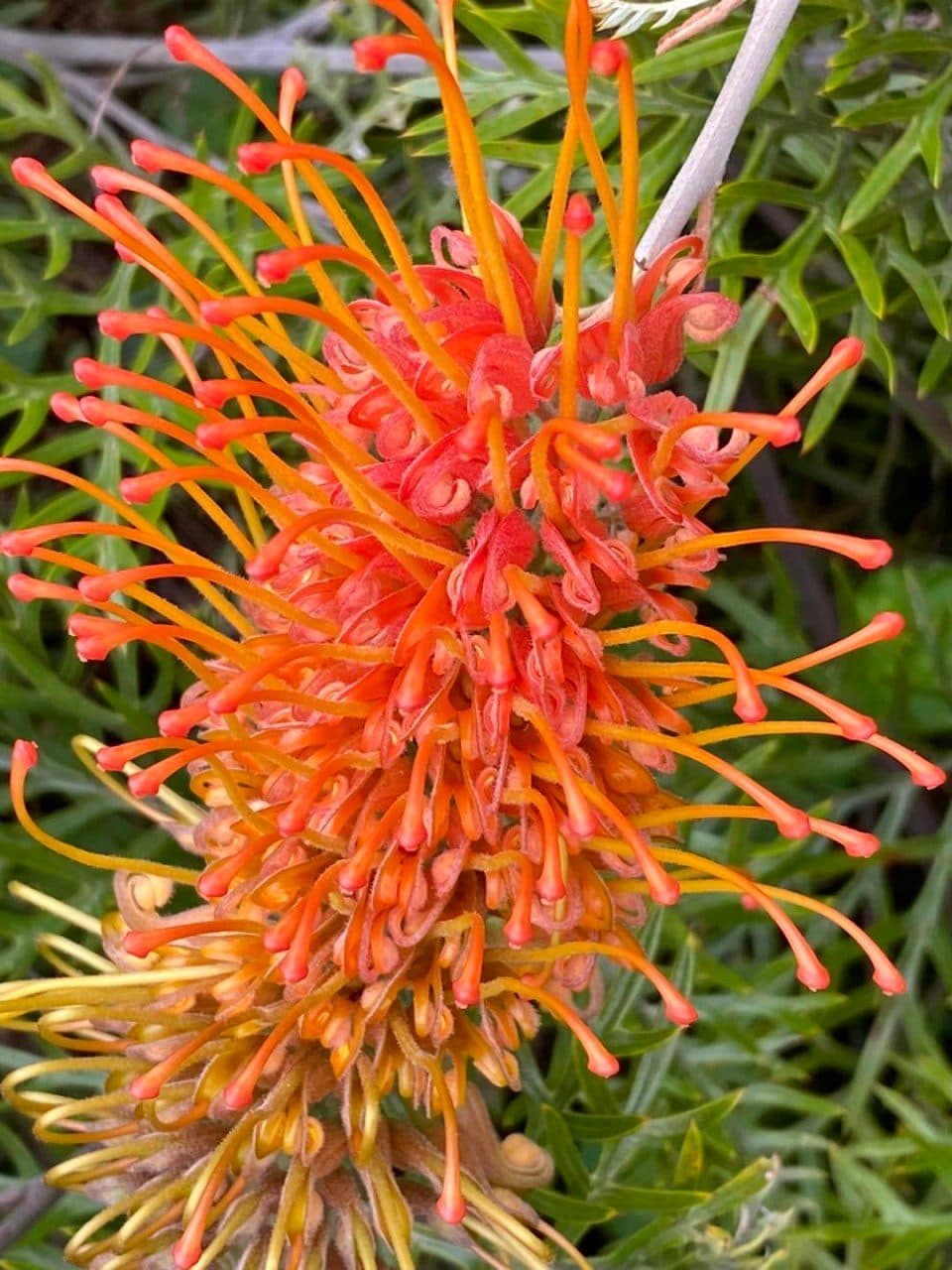
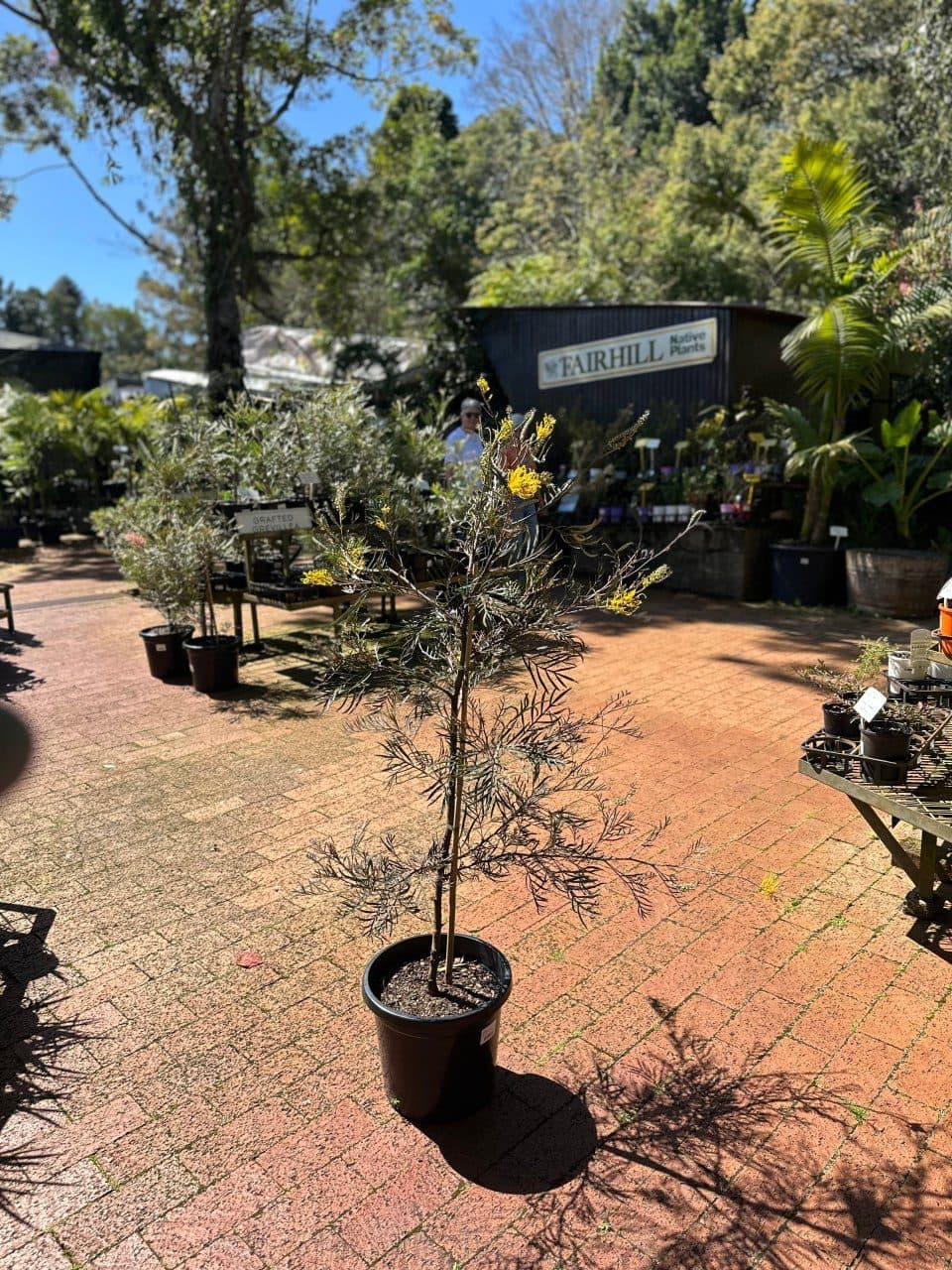
In the nursery now: Grevillea “Big Red”
The workhorses of a pollinator garden. Nectar-rich flowers for months on end feed honey bees, native bees, butterflies and honeyeaters alike. We grow more grevilleas than any other plant in the nursery, from groundcovers to screening shrubs, with dozens of varieties on the benches right now.
Bottlebrush (Callistemon)
In the nursery now: Callistemon “Little John”
Red, pink and orange brushes packed with nectar. Native bees work the flowers all day and the birds follow. Compact forms like Little John suit pots and small gardens, and the bigger forms make a flowering hedge the whole food web visits.
Tea trees (Leptospermum)
In the nursery now: Leptospermum ‘Cardwell Pink’
Masses of small open flowers that suit the smallest native bees, and famously the source of some of the best honey in the country. A tough, generous shrub for hedges and habitat.
Paperbarks (Melaleuca)
In the nursery now: Melaleuca ‘Claret Tops’
Honey-scented flower spikes that hum with bees when they open, plus papery bark that shelters insects year round. From tidy hedging forms to graceful small trees.
Banksias
In the nursery now: Banksia integrifolia, the Coast Banksia
The winter pantry. Banksia cones flower when little else does, keeping honeyeaters, lorikeets and bees fed through the cooler months. The Coast Banksia is a Sunshine Coast local that earns its place in any garden.
Coastal Rosemary (Westringia)
In the nursery now: Westringia ‘Wynyabbie Gem’
Small white to mauve flowers almost all year, sized for small native bees. Neat, salt-tolerant and near indestructible, which is why designers lean on it and the bees quietly approve.
Kangaroo Paws (Anigozanthos)
In the nursery now: Anigozanthos “Bush Diamond”
Velvet flower stems built for birds: honeyeaters grip the stalk and drink while the paw dusts their heads with pollen. Bees and butterflies visit too, and the flowers last beautifully.
Flowering gums and their relatives
In the nursery now: Corymbia ficifolia ‘Magenta’, a grafted dwarf flowering gum
Eucalyptus, Corymbia and Angophora are the big employers: prolific blossom for bees and birds, and resin that native stingless bees use to build their hives. Grafted dwarf flowering gums bring all of that to a backyard scale.
Wattles deserve a mention too: their golden pollen feeds native bees when nectar is scarce, and a garden with a wattle in it is never quiet. And if you love the soft look of everlasting daisies and Swan River daisies, sprinkle a few among the shrubs in spring; think of them as the garnish rather than the meal.
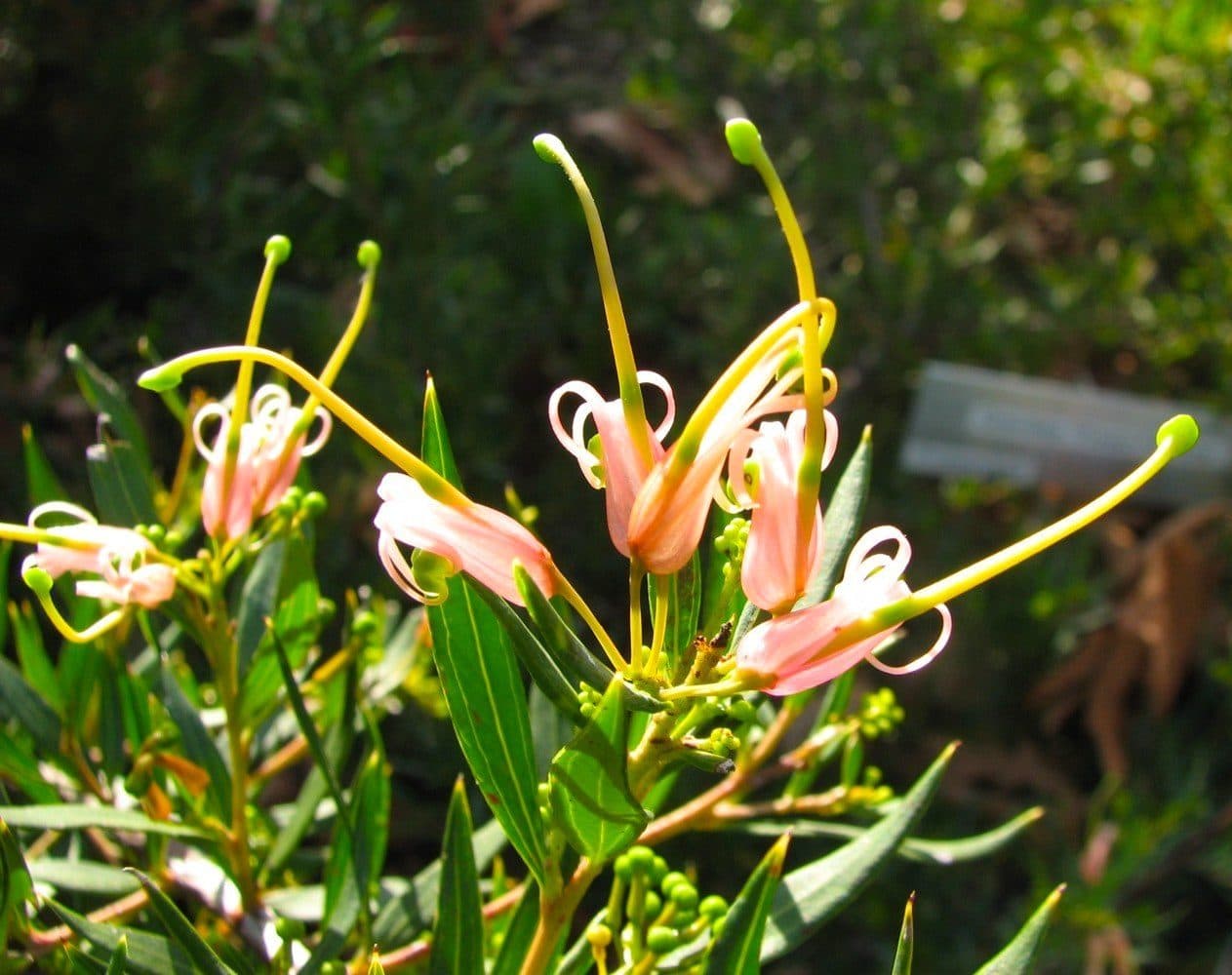
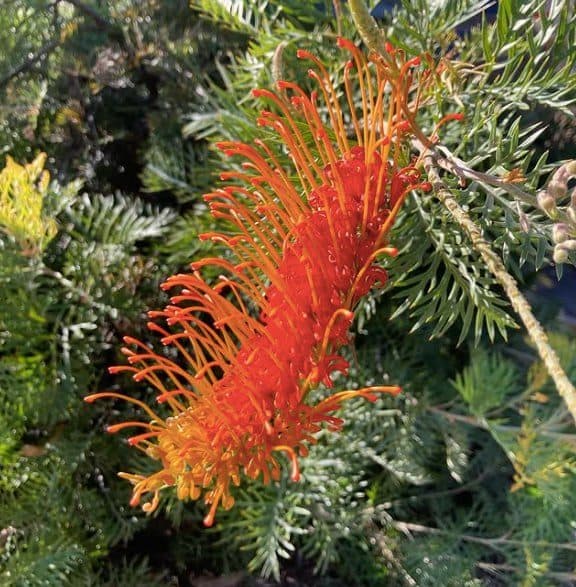
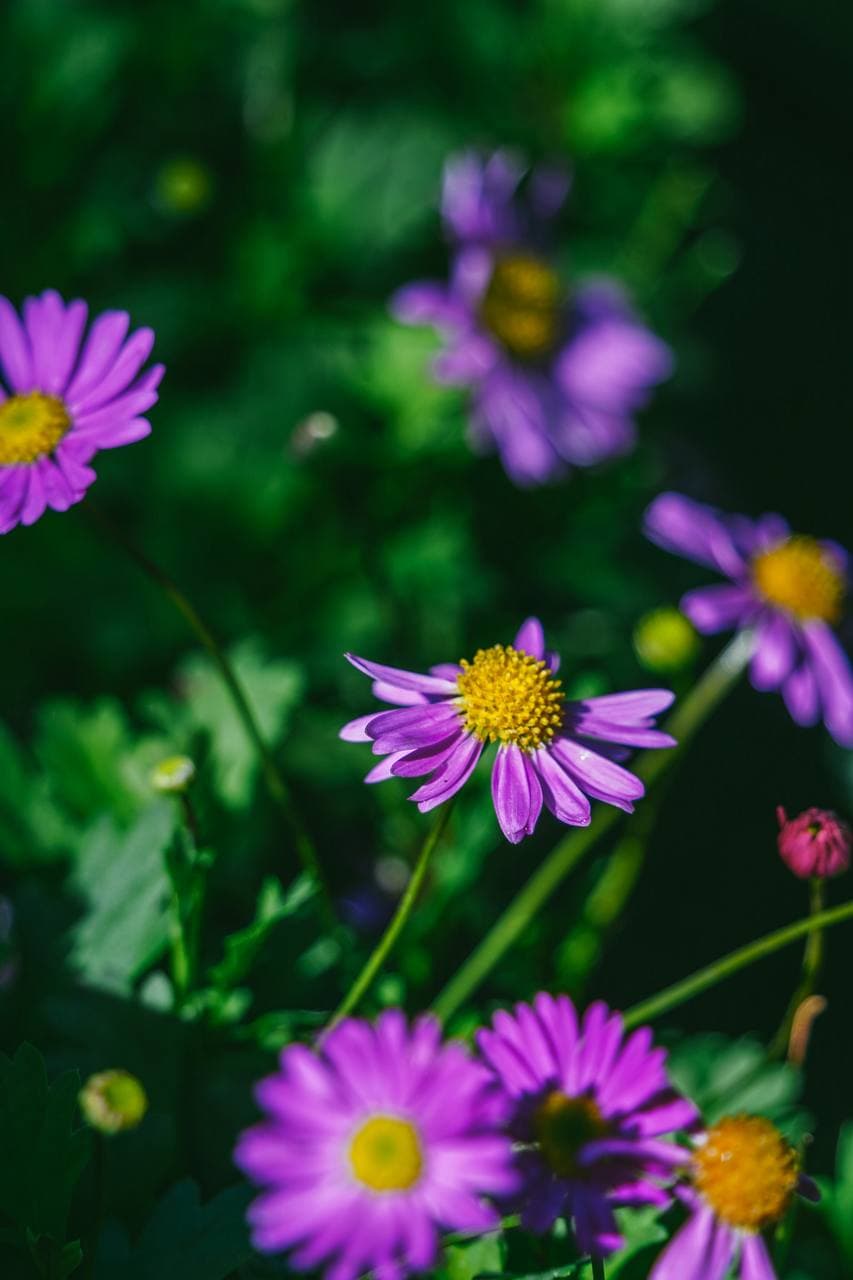
Grevilleas and native daisies, photographed at Fairhill.
Five rules for a pollinator garden
- Stagger the flowering: choose plants that bloom at different times so there is food in every season.
- Plant in layers: groundcovers, shrubs and small trees each feed and shelter different visitors.
- Leave some bare, undisturbed soil: most Australian native bees nest in the ground, not in hives.
- Add shallow water with landing stones, and skip the sprays: a pollinator garden is a pesticide-free zone.
- Ask us what suits your soil: the right plant in the right spot flowers harder, and our nursery team match plants to gardens every day.
Pollinator days at Fairhill, every year
The gardens run on these visitors, so we celebrate them on the calendar as well as on the benches. All of these are annual fixtures at Fairhill:
- World Honey Bee Day, the third Saturday of August; this year that is Saturday 15 August, with honey tastings, seed plantings for bees and Plants for Bees bundles in the nursery.
- Seeds of Science, our seed-planting Sunday; this year Sunday 16 August, with free seed planting for adventure guests.
- The Fairhill Bird Group meets on the last Thursday of every month from 7am, binoculars welcome, honeyeaters guaranteed.
- The Aussie Bird Count each October; this year we count on Sunday 25 October, and every garden planted from this list makes the numbers better.
Common questions
What are the best plants for native bees in Australia?
Nectar-rich Australian natives with open, accessible flowers: grevilleas, bottlebrush (Callistemon), tea trees (Leptospermum), paperbarks (Melaleuca), coastal rosemary (Westringia) and banksias. Small-flowered natives suit small native bees, and gum trees supply the resin stingless bees build with.
What should I plant to attract birds and butterflies as well as bees?
Layer the garden: kangaroo paws and banksias for honeyeaters, grevilleas and bottlebrush for both birds and butterflies, and a mix of flowering times so something is always in bloom. Groundcovers, shrubs and small trees together support far more life than any single plant.
When is World Honey Bee Day?
World Honey Bee Day is celebrated on the third Saturday of August each year. Fairhill Adventure Gardens on the Sunshine Coast marks it annually with honey tastings, seed plantings for bees and pollinator plant bundles in the nursery.
Start your pollinator garden this weekend
Every plant in this guide is grown or chosen for Sunshine Coast conditions, and our natives-first nursery team will help you pick the right ones for your patch. Entry to the nursery is free.