Part of our Wildlife Estate · Sunshine Coast
Fairhill's Native Botanic Gardens
More magical than immaculate
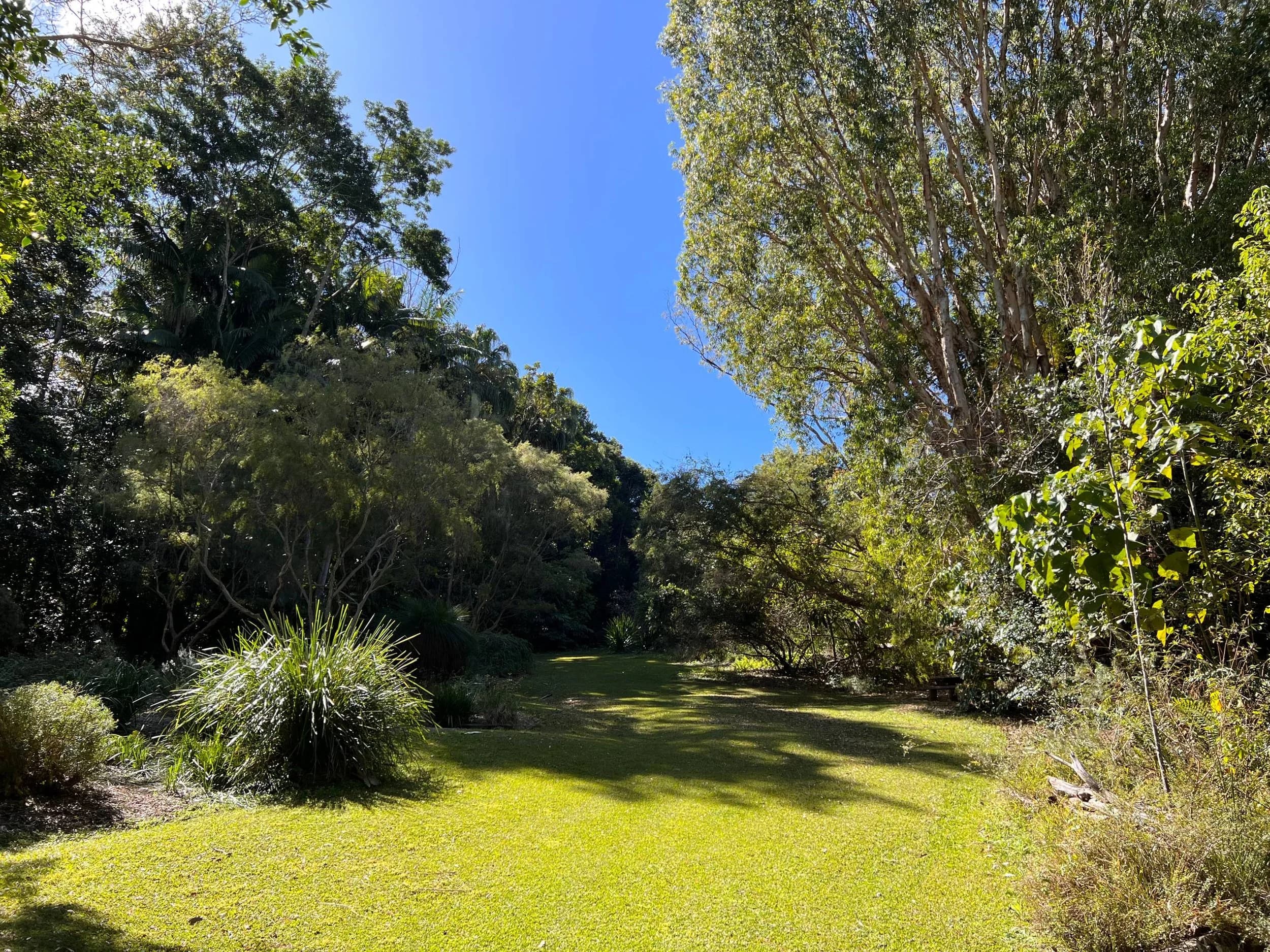
Welcome to a slightly wild, habitat-rich, layered landscape: more magical than immaculate botanical precision. Over the decades, Fairhill's Botanic Gardens have gradually become something even more beautiful, a refuge for wildlife, birds, butterflies, turtles, water dragons, and people seeking reconnection with nature. Today Fairhill's Native Botanic Gardens are part of our Wildlife Estate at Ninderry on the Sunshine Coast.
Our goal is not perfection. Our goal is life.
Come early on a still morning and the gardens are already busy. Honeyeaters work the grevillea flowers. Fairy-wrens flick through the low shrubs. A kookaburra calls from the trees, and a water dragon settles onto a warm stone beside the path as the sun comes through the canopy.
You may notice that some corners feel a little wilder than a formal botanic garden. Slightly wilder planting, layered habitats, flowering meadows, pollinator plantings, regenerating areas and native vegetation are not signs of neglect. They are part of the vision. Every layer is shelter, food or a nesting place for something.
Nature here is dynamic and seasonal rather than static. The flowers change with the months, the frogs sing after rain, and no two visits are quite the same. That is the point.
Why a wildlife garden grows best a little wild
Fairhill prioritises biodiversity, pollinators, healthy soils, clean water and habitat creation. We care for the gardens with regenerative approaches, without the routine artificial chemicals used in most nurseries and gardens.
It is a simple chain. Fewer chemicals means more insects. More insects means more food for birds, frogs and lizards. Leaf litter left where it falls becomes a home for the small creatures that feed the bigger ones, and a flowering meadow left to bloom becomes a feast for bees and butterflies. A garden like this is never finished; it is always becoming.
Birdwatching at Fairhill
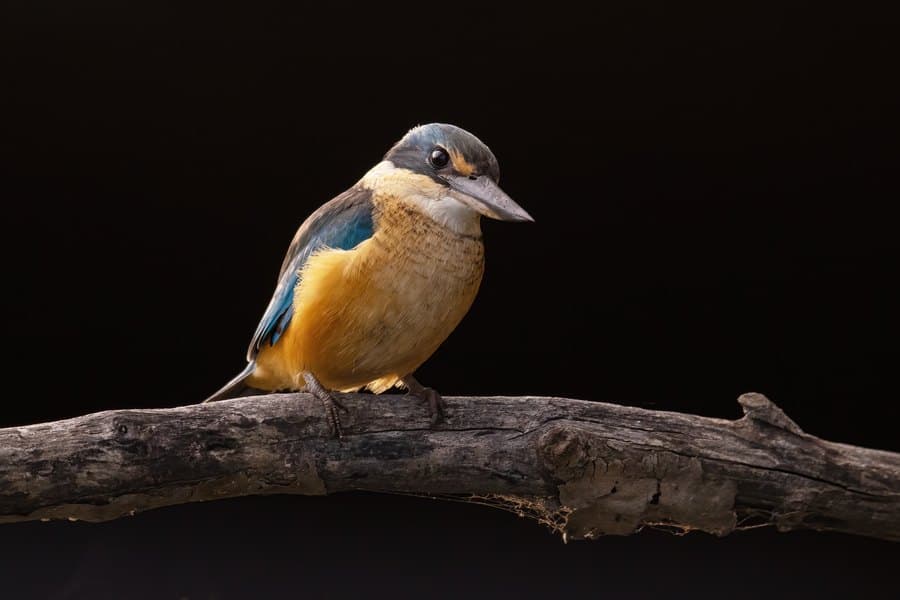
For anyone who loves bird watching on the Sunshine Coast, the gardens reward a slow pace. The rainforest gardens, the Wild Nature Realm and Turtle Lake are home to honeyeaters, fairy-wrens, lorikeets, kookaburras and kingfishers, with native ducks gliding across the water.
Songbirds first evolved in Australia around 50 million years ago and later spread across the world. Kookaburras evolved here some 12 to 15 million years ago. When one laughs from the treetops above Turtle Lake, it is a very old Australian voice.
Our tip: find one quiet spot, sit for twenty minutes and simply listen. Early in the day is the liveliest time. If you would like to bring more birds into your own garden, our guide to bird-attracting plants is a lovely place to start.
Butterflies, dragonflies and the flowering layers
Dragonflies were flying through ancient forests more than 300 million years ago, even before dinosaurs. Butterflies evolved around 100 million years ago, during the age of dinosaurs, as flowering plants spread across the Earth, and many Australian butterflies evolved alongside native rainforests and flowering plants.
That is why the flowering layers matter so much here. Pollinator plantings and flowering meadows give butterflies nectar and their caterpillars somewhere to feed, and the warmer months bring them drifting past the flowers in numbers. Watch the water, too, where dragonflies hover and dart above the lake on sunny afternoons.
Planning a butterfly garden at home? Our pollinator garden guide for the Sunshine Coast lists the natives that feed bees, butterflies and birds all year.
Turtles, water dragons and the life of Turtle Lake
Turtle Lake is one of the wild sides of Fairhill. Enjoy the peace of it, feed the friendly ducks, and look carefully along the edges for turtles basking beside the water. Turtles have lived in Australia for between 50 and 100 million years. Water dragons have been part of Australia's ecosystems for around 25 to 30 million years, and native ducks have inhabited Australian wetlands for tens of millions of years.
We wrote more about these ancient residents, and the possums, wallabies and kangaroos that share the estate with them, in Fairhill the Wildlife Estate.
A nature walk for every age
Families appreciate places that feel alive, exploratory and magical. Little ones go looking for dragons on the rocks and turtles in the lake. Grandparents find a bench in the shade and let the birdsong come to them. Follow the path into the rainforest for a cool, green nature walk, then join the animals at Animal Farmyard Adventures.
Children who want to go further can become Junior Rangers, learning to care for animals and gardens. And whatever you spot on your visit, tell our team. Every wildlife sighting is part of the Fairhill experience.
Sharing space with ancient species
At Fairhill, we do not see wildlife as decoration around human spaces. We believe we are sharing space with ancient species whose homes we have inherited responsibility for protecting. This was their land long before it was ours.
Every ticket, membership, café purchase, nursery purchase and event helps restore and protect the gardens and the wildlife that lives here.
Not immaculate. Not over-controlled. Alive. Because ultimately, these creatures are not visitors here. We are.
Every day in the gardens is an adventure.
Common questions
Where can I see wildlife on the Sunshine Coast with kids?
At Fairhill's Native Botanic Gardens in Ninderry, families can spot turtles and feed the friendly ducks at Turtle Lake, find water dragons sunning themselves on warm stones, and listen for birdsong through the rainforest gardens, alongside our Animal Farmyard Adventures. The gardens are part of the Fairhill Day Pass and Memberships.
What birds can I see at Fairhill?
The rainforest gardens, the Wild Nature Realm and Turtle Lake are home to honeyeaters, fairy-wrens, lorikeets, kookaburras and kingfishers, with native ducks on the water. Early in the day is the liveliest time to look and listen.
Why are some areas of the gardens a little wild?
On purpose. Slightly wilder planting, layered habitats, flowering meadows, pollinator plantings, regenerating areas and native vegetation give birds, butterflies, frogs and reptiles the food and shelter they need. They are not signs of neglect; they are part of the vision.
How are the gardens cared for?
Fairhill prioritises biodiversity, pollinators, healthy soils, clean water and habitat creation, and we care for the gardens with regenerative approaches, without the routine artificial chemicals used in most nurseries and gardens.
Come and explore Fairhill's Native Botanic Gardens
Spot turtles at Turtle Lake, listen for kookaburras in the treetops and follow the paths through gardens alive with birdsong and butterflies.
Open 8am to 4pm daily
114 Fairhill Road, Ninderry QLD 4561